
Book Club for Women
Book of the Month
Meeting September 7th, 2026
19:00 GMT / 14:00 EST
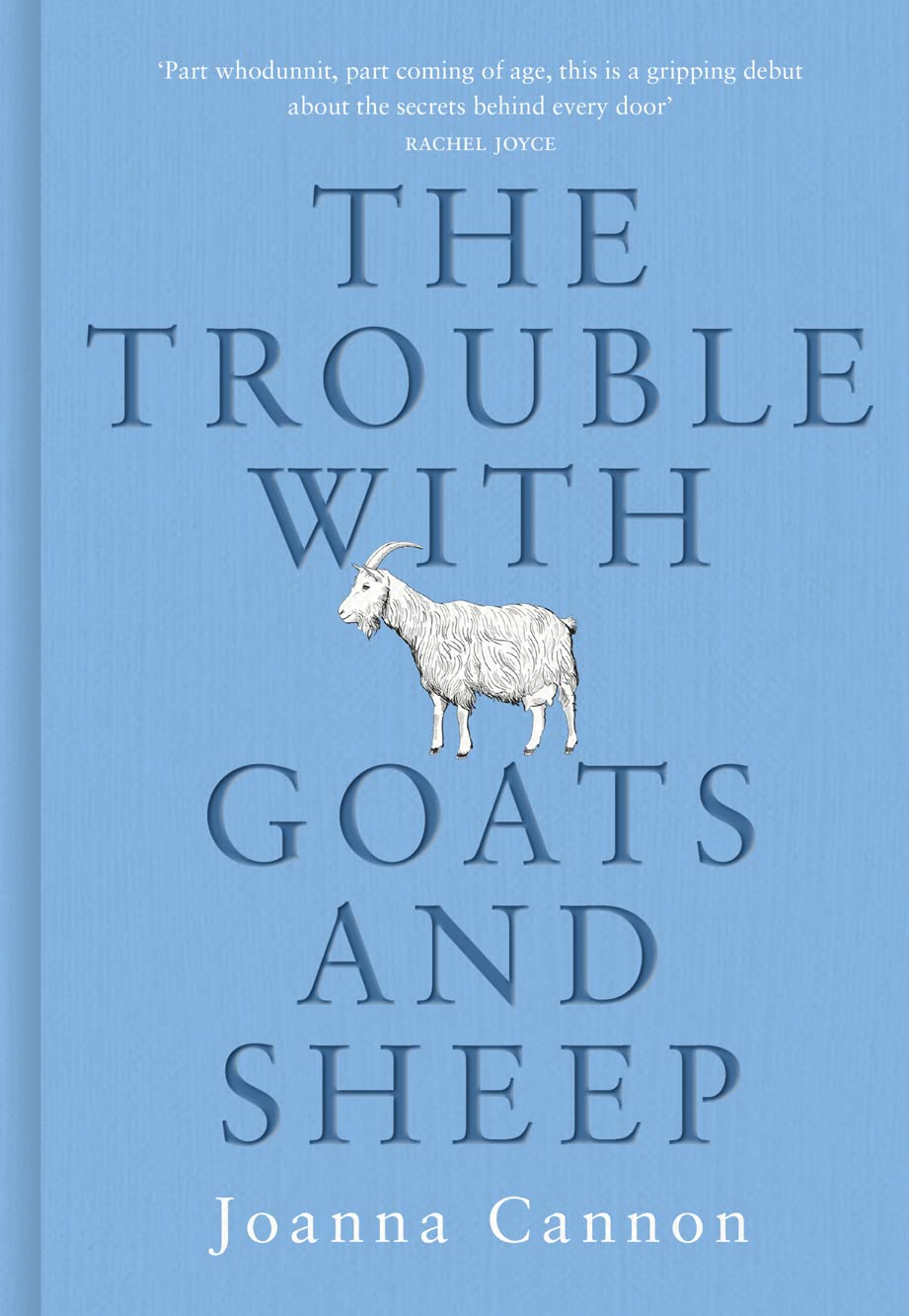
The Trouble with Goats and Sheep is a warm, intriguing and quietly moving novel that explores community, belonging and the secrets that can lie beneath the surface of ordinary lives. Set during the long, hot summer of 1976, the story follows ten-year-old Grace and her friend Tilly as they set out to discover what has happened to a neighbour who has mysteriously disappeared.
With Joanna Cannon's sharp observation, gentle humour and compassion, the novel gradually reveals the tensions, prejudices and hidden histories within a seemingly ordinary English street. As Grace and Tilly search for answers, they begin to uncover far more about their neighbours — and about the complicated ways we judge and misunderstand one another.
Blending mystery with warmth and moments of humour, The Trouble with Goats and Sheep explores themes of friendship, prejudice, guilt, acceptance and the human need to belong. It asks us to consider how quickly communities can divide people into those who fit in and those who do not — the "sheep" and the "goats".
Thought-provoking, tender and filled with memorable characters, The Trouble with Goats and Sheep offers plenty to reflect on and discuss, making it an excellent choice for book club readers.
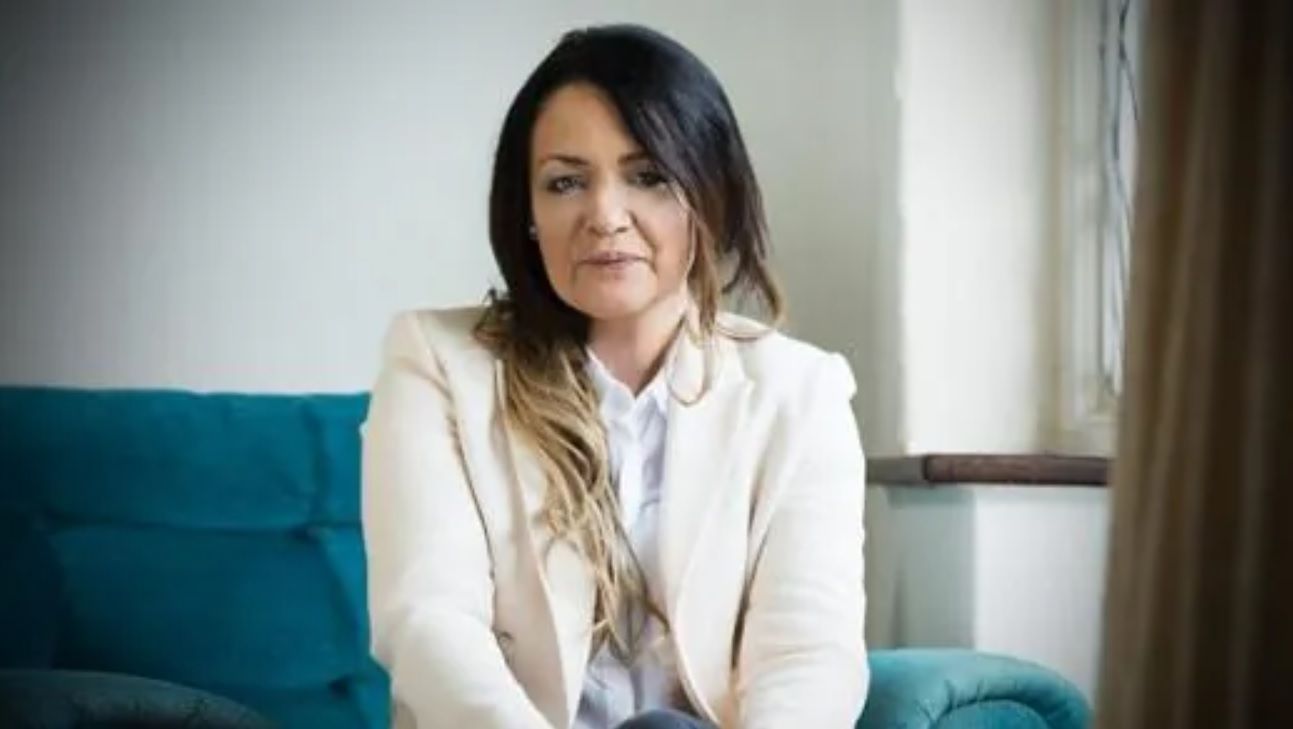
She achieved widespread acclaim with her debut novel, The Trouble with Goats and Sheep, published in 2016 and becoming a Sunday Times bestseller. Her other novels include Three Things About Elsie and A Tidy Ending, both praised for their distinctive characters, gentle humour and insightful exploration of loneliness, memory and human connection.
Throughout her writing, Cannon brings curiosity and empathy to people who may feel overlooked, misunderstood or out of place. Her work frequently explores themes of friendship, community, identity and belonging, combining humour and mystery with thoughtful observations about the way we see ourselves and others.
Born in Derbyshire, Joanna Cannon initially left school at fifteen before later returning to education and training as a doctor. Her unusual journey into medicine and then writing has helped shape a distinctive literary voice rooted in empathy, observation and a fascination with what it means to belong.
- The story is largely seen through the eyes of ten-year-old Grace. How did having a child’s perspective affect the way you understood the adults and the events unfolding around her?
- The title, **The Trouble with Goats and Sheep**, is central to the novel. What do you think the “goats” and “sheep” represent? Did your interpretation change as you read?
- The novel is set during the exceptionally hot summer of 1976. How does the heat contribute to the atmosphere of the story and the growing tension within the community?
- Grace and Tilly begin by trying to solve the mystery of Mrs Creasy’s disappearance. What do they discover about their neighbours — and about human nature — along the way?
- Belonging is one of the novel’s strongest themes. What determines who is accepted within this community and who is treated as an outsider?
- The residents of the Avenue make assumptions about one another based on appearances, rumours and past events. Which of your own assumptions about a character were challenged as the story progressed?
- Walter Bishop occupies a particularly difficult position within the neighbourhood. How did your feelings towards him change throughout the novel?
- Secrets and silence play an important role in the story. Why do you think the residents are so determined to protect certain versions of the past?
- Grace and Tilly have very different personalities. What do you think each girl brings to their friendship, and what does their relationship add to the novel?
- Joanna Cannon uses humour alongside some quite serious and uncomfortable themes. How did this balance affect your experience of the story?
- The novel explores how easily people can be labelled as different, strange or unacceptable. Why do you think communities sometimes need an outsider — someone who doesn’t quite belong?
- Religion and the search for God become part of Grace and Tilly’s investigation. What do you think the novel is saying about goodness, morality and the difference between being seen as “good” and actually behaving well?
- Many of the adults are carrying guilt, regret or fear from the past. Which character did you sympathise with most, and did your loyalties change as more of the truth was revealed?
- Although the novel is set in 1976, its themes of gossip, judgement, exclusion and the desire to belong remain very relevant. In what ways do you think the story would look different if it took place today?
- After finishing the novel, who do you think are really the “goats” and who are the “sheep”? Or is the point that the distinction is never as simple as we would like it to be?
Future Book Club Titles
Meeting 2nd November, 2026
Project Hail Mary by Andy Weir
Meeting 30th November, 2026
A Man Called Ove by Fredirk Backman
Meeting 28th December, 2026
The Thursday Murder Club by Richard Osman
Past Book Club Titles
April The Measure by Nikki Erlick Scored 5.5
May How to Read a Book by Monica Wood Scored 8.3
June Educated by Tara Westover Scored 5.9
August The Homemade God by Rachel Joyce Scored 6.8
TABB 2025
October Leonard and Hungary Paul by Rónán Hession Scored 9.4
October Gabriel's Moon by William Boyd Scored 5
November Into the Magic Shop by Dr. James R. Doty Scored 7
December A Christmas Carol by Charles Dickens Scored 9
June Poor by Catriona O’Sullivan Scored 9
July The Wedding People by Alison Espach Scored 7.5
August The Berry Pickers by Amanda Peters
Hola Sober 2023
Popular "Quit Lit" Titles
UK & Ireland Authors / Titles
1. "Blackout: Remembering the Things I Drank to Forget" by Sarah Hepola
(Though American, very popular in the UK, an honest memoir on addiction and recovery.)
2. "This Naked Mind: Control Alcohol, Find Freedom, Discover Happiness & Change Your Life" by Annie Grace
(UK/Irish bestseller with a global following, focuses on changing your relationship with alcohol.)
3. "The Sober Diaries: How One Woman Stopped Drinking and Started Living" by Clare Pooley
(UK author; a personal memoir with humor and hope about quitting alcohol.)
4. "The Unexpected Joy of Being Sober" by Catherine Gray
(Irish author; a positive, evidence-based look at life after quitting drinking.)
5. "Drink? The New Science of Alcohol and Your Health" by Professor David Nutt
(UK-based neuropsychopharmacologist, offering a scientific perspective on alcohol.)
6. "One Day at a Time: The Story of Alcoholics Anonymous in Ireland" by Brian Brennan
(Irish perspective on the history and impact of AA.)
7. "Dry: A Memoir" by Augusten Burroughs (popular in the UK and Ireland)
(An American memoir but widely read in these regions.)
8. "Alcohol Explained" by William Porter
(A clear, accessible guide explaining how alcohol affects the brain and body, empowering people to quit.)
9. "Unwasted: My Lush Sobriety" by William Porter
(UK author’s candid memoir about his journey through addiction and recovery.)
International Popular Books
1. "Alcoholics Anonymous: The Big Book" by AA World Services
(The foundational text for the 12-step recovery movement worldwide.)
2. "Quit Like a Woman: The Radical Choice to Not Drink in a Culture Obsessed with Alcohol" by Holly Whitaker
(Popular in UK and Ireland as well as US; feminist perspective on sobriety.)
3. "We Are the Luckiest: The Surprising Magic of a Sober Life" by Laura McKowen
(Popular memoir and guide for recovery.)
4. "Untamed" by Glennon Doyle
(A powerful memoir on self-discovery and healing that resonates with many on the recovery journey.)


info@tabbforwomen.com
© 2025 - 2025 All rights reserved
Find My Best Starting Point
Every woman's journey is different. Let's discover what will support you best.
Answer 8 simple questions and we'll recommend the TABB pathway that's the best fit for where you are right now.
There are no right or wrong answers—just answer honestly.
It only takes around 2 minutes.
1. Where are you right now on your alcohol-free journey?
A. I'm happily alcohol-free and want to stay that way. B. I've stopped recently but I'm finding it harder than I expected. C. I'm still drinking and know something needs to change. D. I'm not sure if I even want to stop yet—I just know I need to explore my relationship with alcohol.
2. What kind of support sounds most helpful?
A. Being part of a supportive community of women who understand. B. A structured programme I can work through in my own time. C. One-to-one conversations with someone who can guide me personally. D. A combination of structure and personal support.
3. Which statement sounds most like you?
A. I already know I want an alcohol-free life. B. I keep trying to stop but never seem to make it stick. C. I need help taking the very first step. D. I want someone to keep me accountable.
4. How important is connecting with other women?
A. It's exactly what I'm looking for. B. I'd like some connection alongside a course. C. I'm not sure yet. D. I'd rather keep things private.
5. What describes you best?
A. I often feel isolated or lonely. B. I feel overwhelmed and don't know where to start. C. I need structure to help me stay focused over time. D. I know what I need—I just want personalised support.
6. Which of these sounds most appealing?
A. Daily meetings and ongoing support from a community. B. A self-paced programme that I can complete around my life. C. Regular one-to-one coaching sessions. D. Daily check-ins with someone who's walked the same path.
7. If you could wave a magic wand, what would change?
A. I'd finally stop drinking. B. I'd stay stopped this time. C. I'd feel connected instead of doing this alone. D. I'd have someone helping me every step of the way.
8. Which best describes your personality?
A. I thrive in a supportive group. B. I like learning independently. C. I work best with one dedicated person supporting me. D. I like a mixture of independence and accountability.
Your TABB recommendation is ready
Enter your email address to discover the TABB support that best matches where you are today.